












How to Make a Cinematic Short Film (2026): Steps, Shots and Ideas
Short answer: to make a cinematic short film, start from one strong image and one emotion, write a script that fits 30–90 seconds, plan every shot before you shoot, and then let scale, light and color do the storytelling. “Cinematic” isn’t a filter — it’s a set of choices about framing, lighting, pacing and sound. This guide walks through the steps to making a short film, the techniques that make a short film look cinematic, and blockbuster-style ideas you can now produce with AI instead of a studio budget.
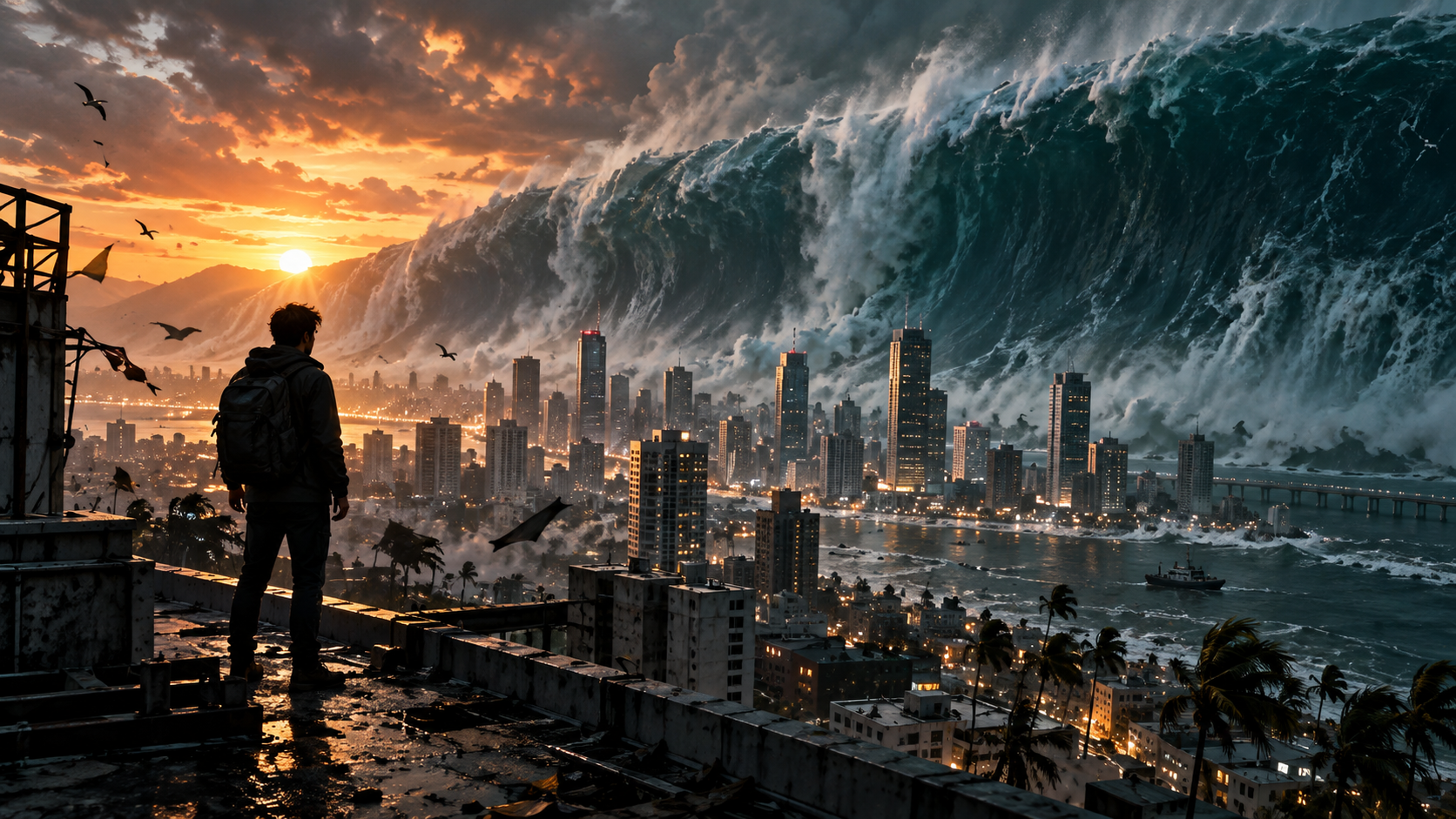
What actually makes a film feel “cinematic”
Audiences can’t name it, but they feel it within two seconds. Almost every cinematic shot shares the same ingredients:
- Scale — something huge next to something small. A single person in front of a wave tells the whole story without a word.
- Motivated light — light that comes from somewhere (a window, a fire, a sunset) and leaves most of the frame in shadow.
- A deliberate color palette — two or three dominant colors, not everything at once. Teal-and-orange, cold blue, dusty gold.
- Restraint — fewer cuts, longer holds, and showing less than you could.
- Sound — a low score and real sound design do more for “cinematic” than any visual trick.
Keep this list next to you. Every step below is about getting these five things into the frame.
Steps to making a short film
Step 1: Start from one image and one feeling
Blockbusters are sold on a single image — the wave over the city, the planet on the horizon. Write yours down in one sentence, then add the emotion: dread, awe, loneliness, hope. That pair is your north star; any scene that doesn’t serve it gets cut.
Step 2: Write a script that fits the runtime
A cinematic short is usually 30–90 seconds online, and a few minutes for festivals. At that length you get one character, one location (or a few), and one turn. Structure it in three beats — the calm, the disruption, the image the audience remembers. If you’re stuck on the writing, a free AI script writer can get you a first draft to react to.
Step 3: Plan your shots before anything is generated or filmed
This is where amateur shorts and cinematic shorts split. Break the script into a shot list: for each shot, the size (wide, medium, close-up), what moves, how long it holds, and what we hear. A 30-second short is typically 5–8 shots. Planning first is what keeps the look consistent from shot to shot.
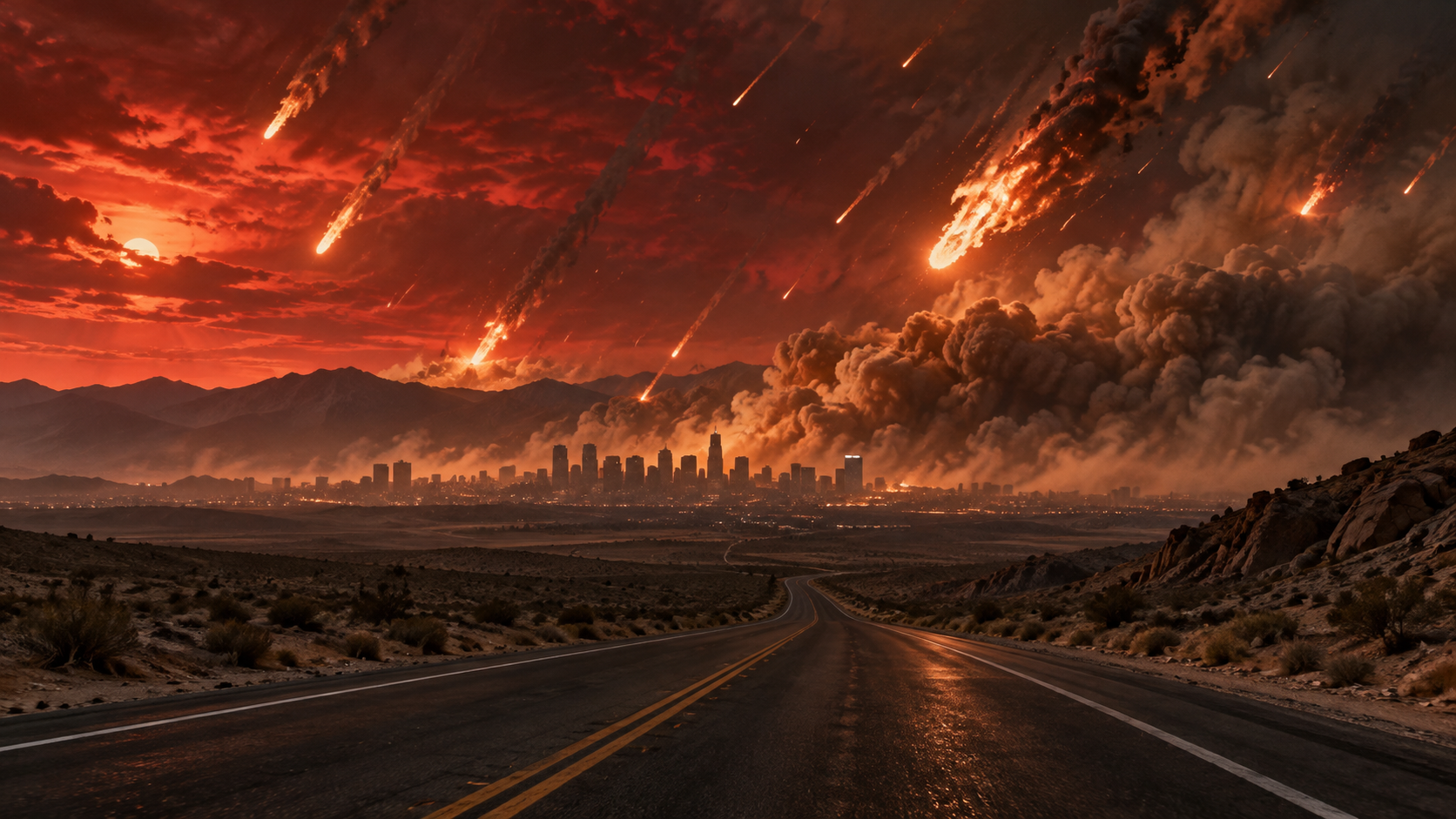
Step 4: Open wide to establish scale
Start with a wide establishing shot. It tells the audience where they are and how big the stakes are — a skyline under falling meteors, an empty road running toward the disaster. Hold it longer than feels comfortable. Blockbusters let wide shots breathe because the scale is the spectacle.
Step 5: Cut in close for emotion
After the wide, go tight. A close-up of a face lit only by firelight carries the feeling that the wide shot set up. The rhythm of wide → close → wide is the backbone of almost every cinematic sequence.
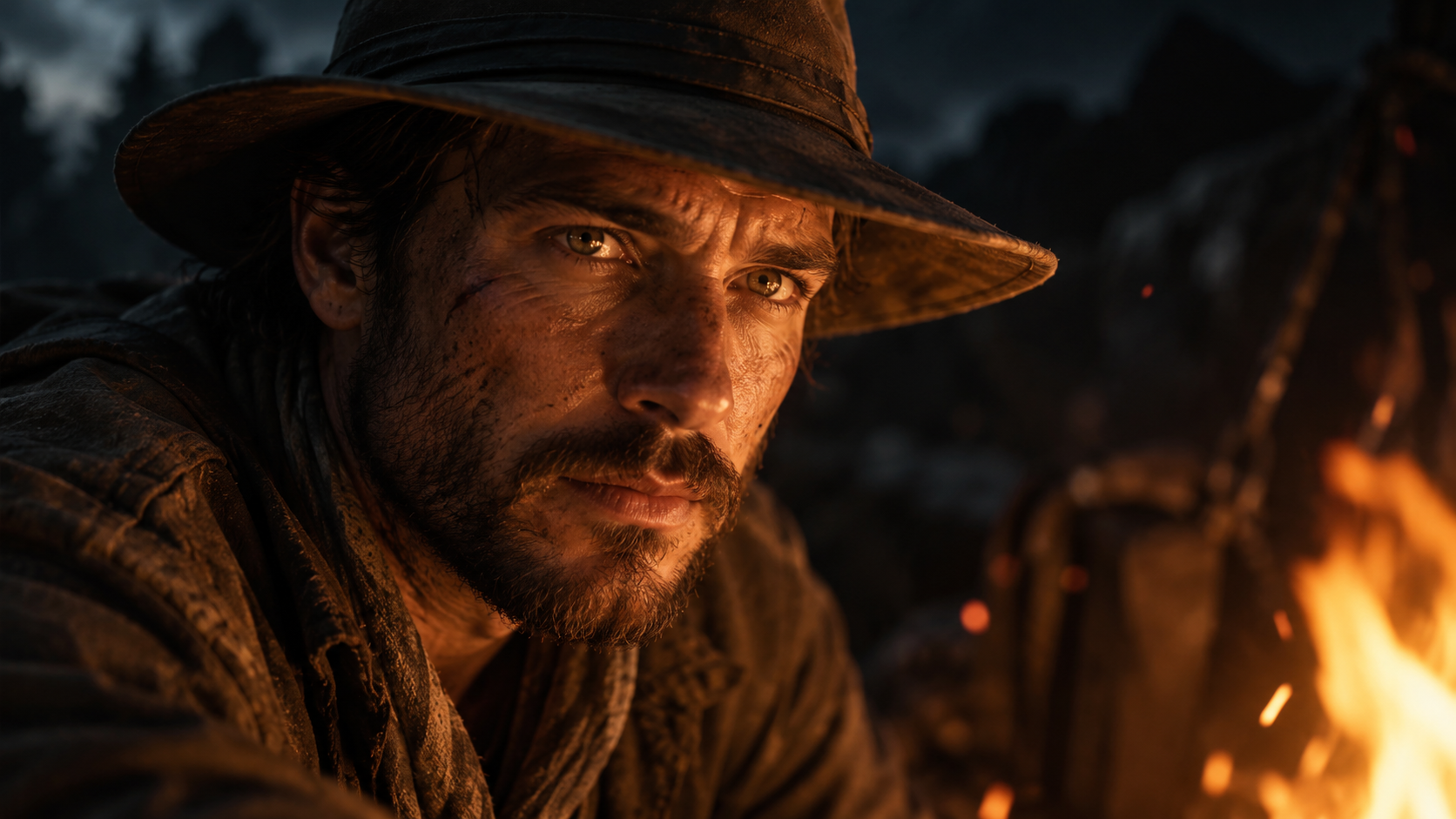
Step 6: Assemble, score and grade
Edit to the music, not against it. Lay a low, sustained score under the whole piece, add sound effects for every visible action, and finish with a consistent color grade. If two shots feel like they’re from different films, the grade is usually the fix.
How to make a short film look cinematic
Light from a source, and leave shadows
Flat, even light is the fastest way to look amateur. Pick one motivated source — the sunset, a lighthouse beam, a campfire — and let the rest of the frame fall into darkness. The AI Cinematic Lighting workflow is built around exactly this idea.
Withhold the reveal
The scariest monster is the one you only half see. Silhouettes in fog, a shape behind a light, a sound before an image — withholding builds tension that a full reveal never can. Disaster and creature films live on this; the AI Monster Movie Generator is designed around slow, partial reveals.
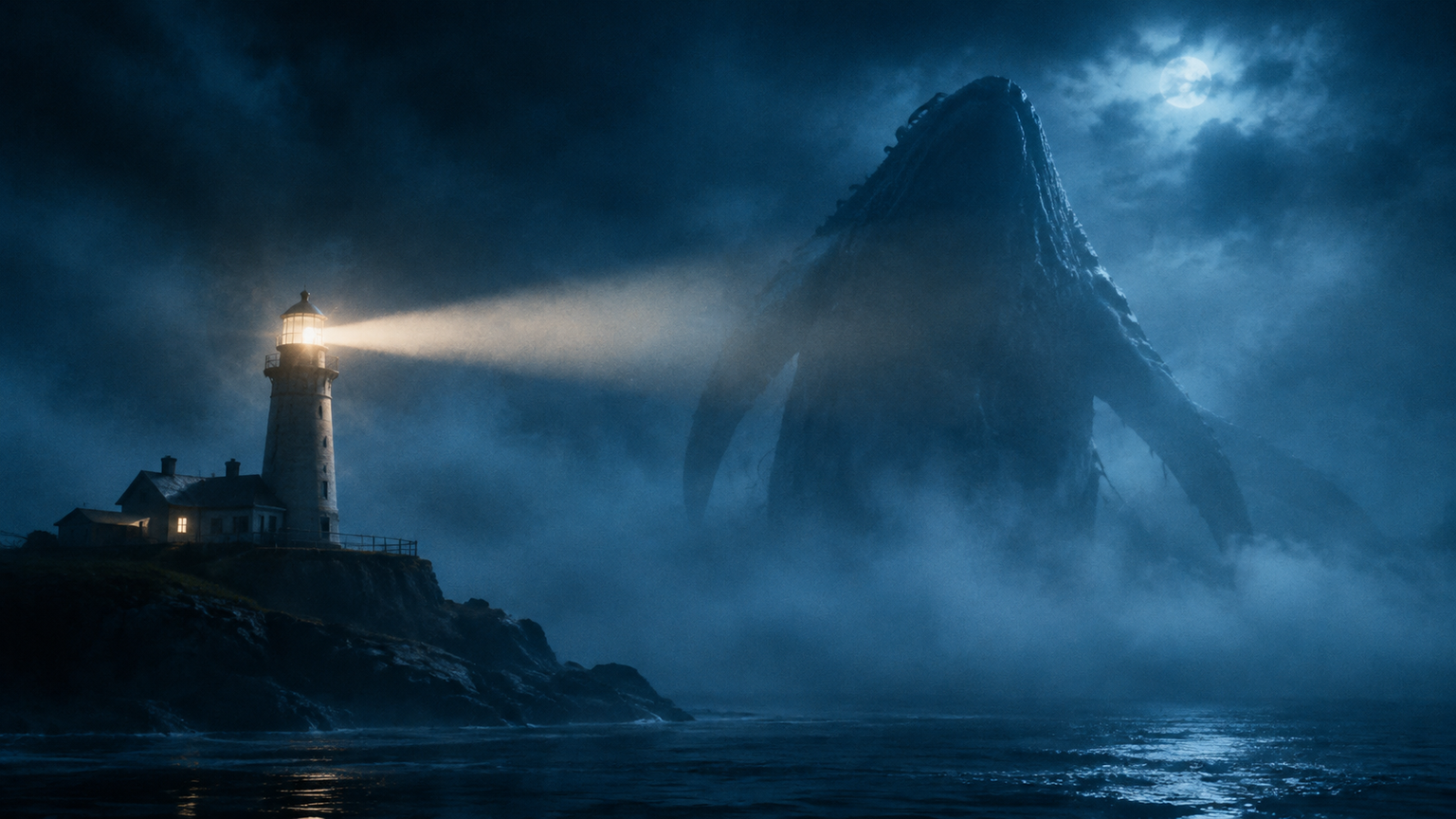
Commit to a color grade
Choose a palette and apply it to every shot. Golden-hour dust for post-apocalyptic stories, cold blue for sci-fi and horror, teal-and-orange for action. Consistency is what makes separate shots read as one film.
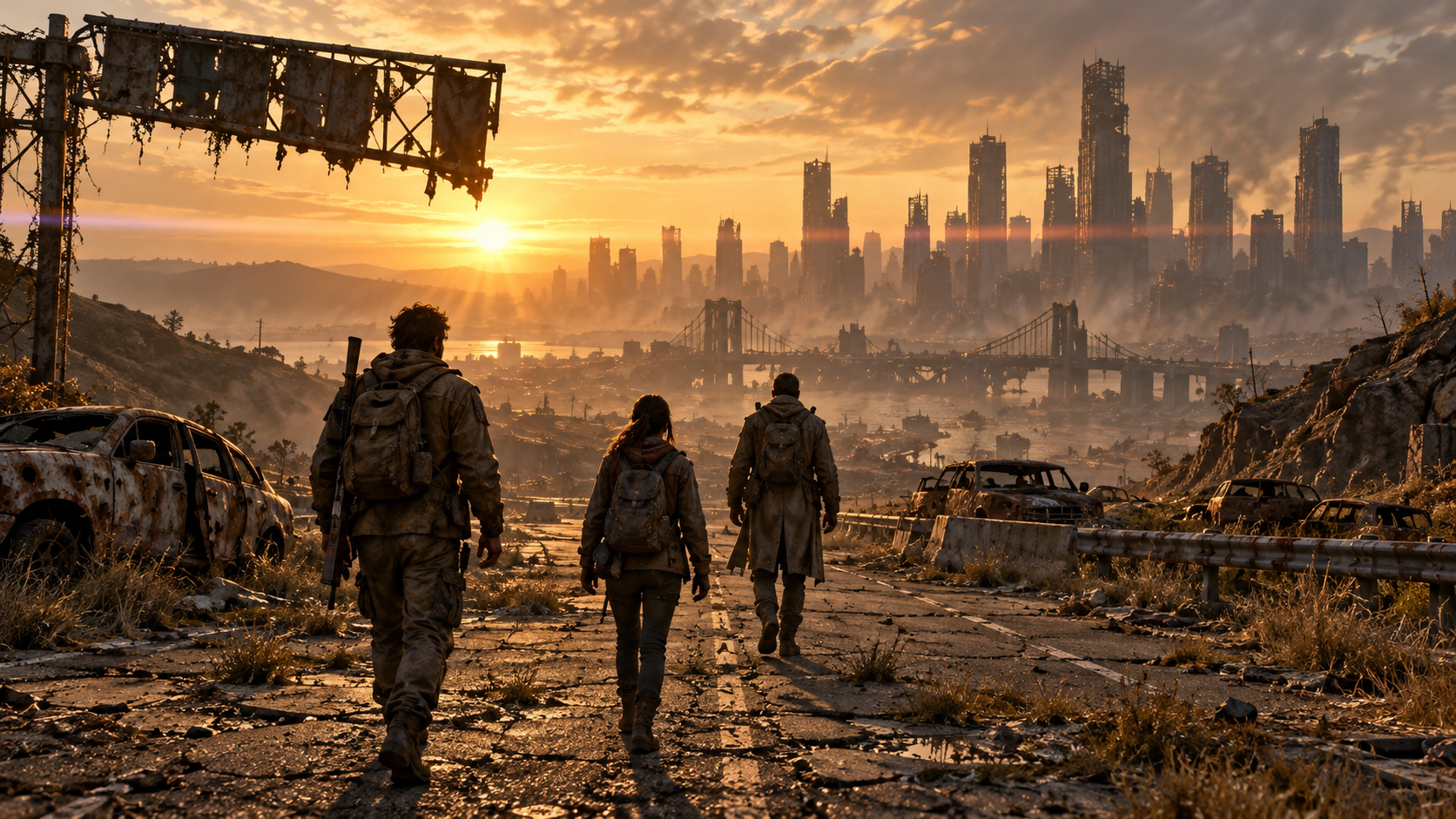
Move the camera with purpose
Every camera move should mean something: a slow push-in for growing dread, a pull-back to reveal scale, a locked-off frame for stillness. Random movement is noise. If a shot doesn’t need to move, don’t move it.
Cinematic short film ideas you can make with AI
Ten years ago, any of these needed a VFX team. Today you can storyboard and generate them yourself:
| Idea | The one image | Start with |
|---|---|---|
| Disaster film | A wave or storm swallowing a city | AI Monster Movie Generator |
| Space epic | A lone astronaut facing a giant planet | AI Cinematic Video Generator |
| Post-apocalyptic road movie | Survivors walking toward a ruined skyline | AI Short Film Generator |
| Classic samurai drama | Riders in rain and wind | AI Cinematic Short Film Generator |
| Psychological thriller | A face lit by a single light in the dark | AI Short Film Generator |

For more starting points beyond cinema, see these AI video ideas.
Making a cinematic short film with AI
The steps above are the same whether you shoot or generate — AI just removes the budget ceiling on scale. In FunGen, you describe the idea, answer a few questions about format and tone, and the agent writes the script, builds the storyboard, designs consistent characters and locations, generates each shot, and assembles the final cut with sound. You review the storyboard before anything is rendered, so the plan stays yours.
Two tips that matter more with AI than with a camera:
- Lock your characters and locations first. Generate reference images for the hero and the main location, then reuse them in every shot so faces and places stay consistent.
- Write shots, not wishes. “Wide shot, lone figure on a rooftop, tsunami at dusk, teal and orange” beats “an epic disaster scene” every time.
Common mistakes
- Too many shots for the runtime. Eight strong shots beat twenty rushed ones.
- Everything lit evenly. Pick one light source and embrace the shadows.
- No sound design. Silence plus a single deep hit is more cinematic than wall-to-wall music.
- Showing everything. The audience’s imagination is your best VFX department.
FAQ
How long should a cinematic short film be? For social platforms, 30–90 seconds. For festivals, usually under 15 minutes. Shorter is easier to make feel polished.
Can I make a cinematic short film with no budget? Yes. With AI generation you can create large-scale scenes — disasters, space, creatures — that would otherwise need a studio, and spend your effort on story, shots and sound instead.
What’s the single biggest thing that makes a short film look cinematic? Light. Motivated light with real shadows does more than any camera or effect.
Ready to make yours? Start with the AI Short Film Generator and turn one image and one feeling into a finished film.